SUNY Albany, USA
Distinguished Professor, SUNY, USA | Founding Director, the Program for Research on Private Higher Education
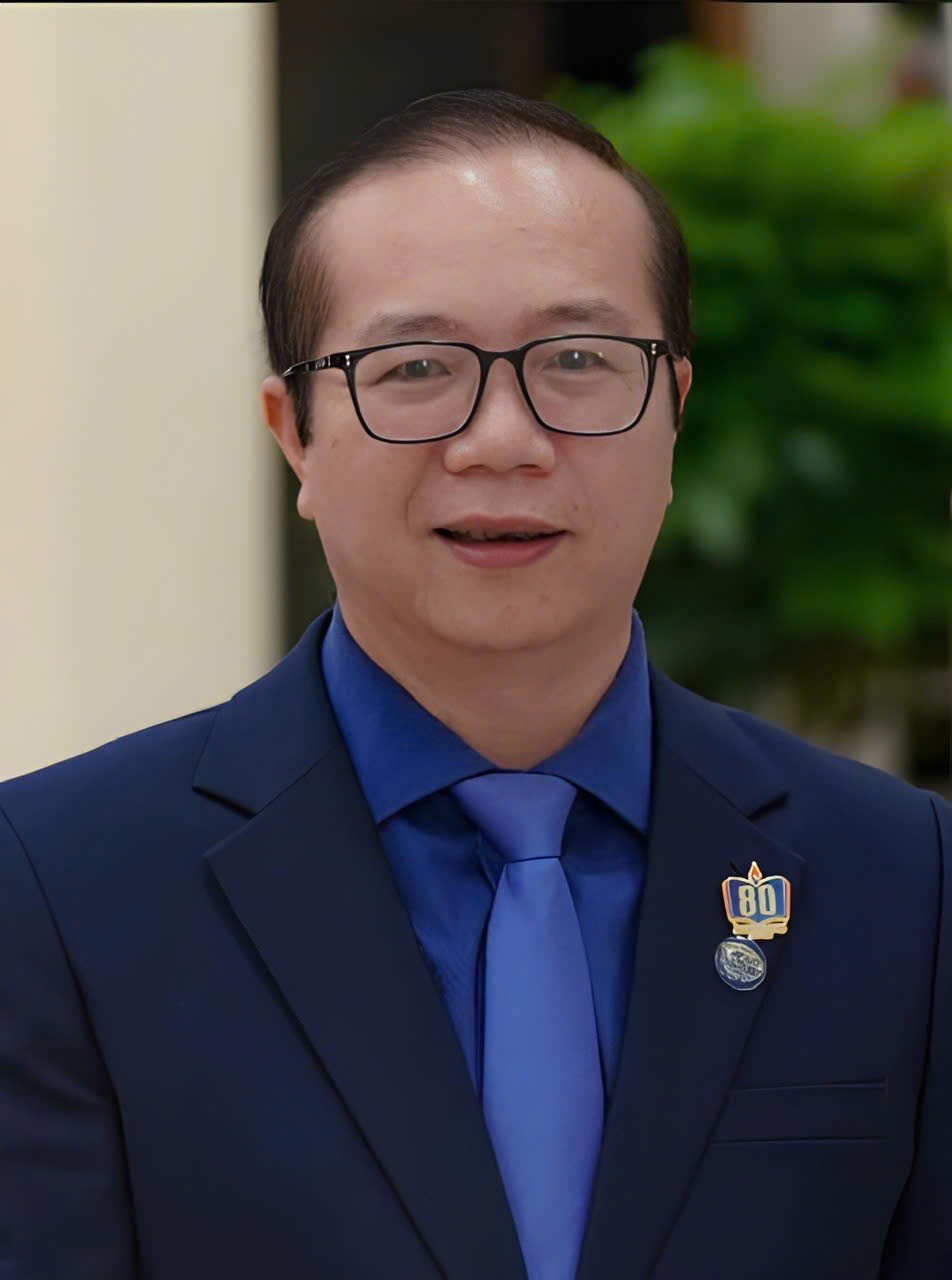
Daniel Levy is Distinguished Professor, State University of New York, and the founder and director of PROPHE (Program for Research on Private Higher Education), a global scholarly network. Levy's authored books with the university presses of California, Chicago, Indiana, Johns Hopkins, Pittsburgh, and 2024 Oxford for A World of Private Higher Education. Included among his consultancies is authoring of the Asian Development Bank’s policy paper on Higher Education. Levy has published over one-hundred articles on higher education policy, non-profit sectors, and Latin American politics. He has received long-term and lifetime awards from the leading scholarly association of higher education studies and comparative education studies, respectively.
Denounced Yet Vibrant: Private Higher Education Growth Globally, Regionally, and in Vietnam
This presentation makes a sweeping appraisal of the dynamic growth of private higher education (PHE). That growth has brought PHE to account for a third of the world’s total higher education enrollment. Yet the appraisal simultaneously argues for a provocative conceptual perspective on this growth, a perspective born of the speaker’s half century of study and writing about private growth: The PHE growth reflects principally Pluralist-Market dynamics even as the principal normative beliefs about how higher education systems should be configured remain State-Steering.
First, we will establish the extent and geographical (regional and country) configurations of PHE growth. Whereas Asia and Latin American have been the largest two PHE regions, Vietnam is a case of a conspicuously small PHE sector.
Second, we will identify the key reasons for the PHE growth as well as the major “types” and “forms” of PHE that they tend to produce. For Vietnam, the major types are non-elite but far more unusually and intriguingly, the major form is for-profit.
Third, we will establish what the State-Steering and Pluralist-Market models distinctly postulate about the size and shape of higher education sectors. What would each predict empirically and through what normative principles they view private-public configurations.
Fourth, we will elaborate on how strongly PHE growth and actual functioning tracks Pluralist-Market principles while straying from State-Steering Principles. It is much more the former than the latter that squares with the global reality of extensive and often vibrant PHE.
Fifth, we will explore how this global interpretation fits Asia and its main sub-regions, including Southeast Asia.
Sixth, we will explore how all the above seems relevant to the Vietnamese case, but here, deviating from the presentation’s five preceding sections--and in deference to the audience’s expertise, the presentation will also formulate several key questions for discussion.